MNI BOC WATCH: Macklem Sees Continued Hold If Forecast Is Met
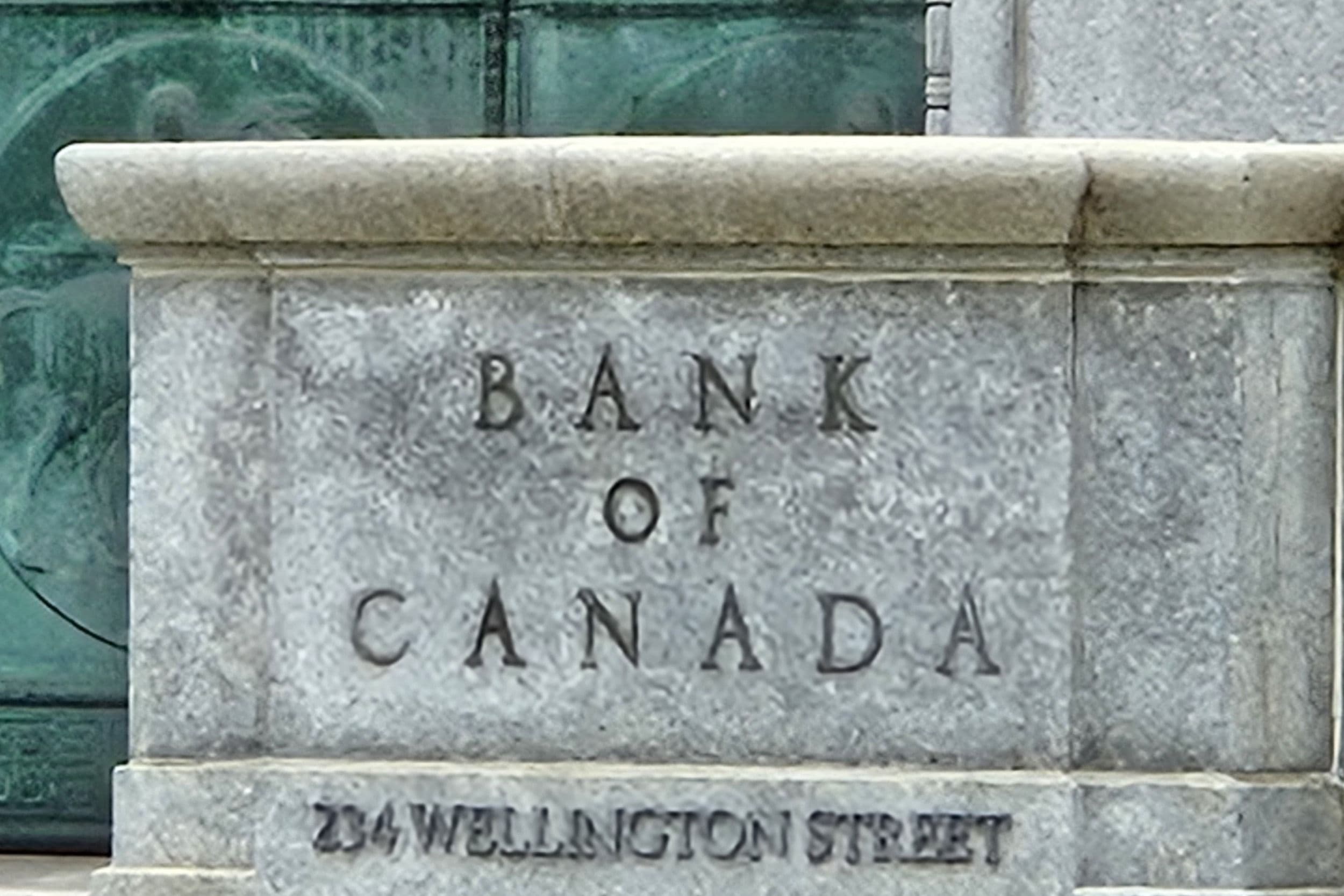
Canada’s central bank held interest rates Wednesday after two prior cuts and officials affirmed they’ve done enough to cushion the blow of the U.S. trade war and keep inflation on target.
"If inflation and economic activity evolve broadly in line with the October projection, Governing Council sees the current policy rate at about the right level to keep inflation close to 2% while helping the economy through this period of structural adjustment," the Bank of Canada's rate decision said, echoing its last statement. All 23 economists surveyed by MNI predicted a hold at 2.25%.
With investors debating if the next rate move is a near-term cut as Donald Trump threatens new tariffs or a hike later in 2026 as the economy recovers from the first round of penalties, Governor Tiff Macklem said "uncertainty remains high and the range of possible outcomes is wider than usual. If the outlook changes, we are prepared to respond."
Much of the the Bank's shorter-than-usual statement of 497 words outlined that even with strong job and GDP data in recent weeks Canada's economy remains on the path laid out in the last full forecast from October. That includes headline inflation staying around 2% and weak growth in the fourth quarter before some pickup in 2026.
Trend inflation remains around 2.5% the Bank said, one reason officials have ended a cutting cycle that began at 5% and leaves borrowing costs at the low end of the official neutral range.
"While information since the last decision has affected the near-term dynamics of GDP growth, it has not changed our view that GDP will expand at a moderate pace in 2026 and inflation will remain close to target. Governing Council therefore decided to hold the policy rate unchanged," Macklem's press conference statement said.
Officials again suggested the trade war creates an intense but narrow hit to industries like autos, steel and aluminum facing the highest levies, something monetary policy isn't best equipped to tackle. While there have been three months of solid job gains overall hiring intentions are subdued, the Bank said.
The decision wraps a year where the economy avoided the recession many economists said would follow U.S. tariffs, and headline inflation slowed to target while core prices remain elevated. Canada is vulnerable next year to threats Trump could abandon a free trade pact, comments which have slashed business investment and exports.
The Bank in October predicted annualized growth around 1% in the fourth quarter and in 2026, weakness holding down prices and offsetting costs associated with supply networks disrupted by the trade war. The Bank's recent public remarks have highlighted a broader concept of trend inflation and downplayed its preferred core measures around 3%.


