MNI: BOC Says Consumer, Corporate Price Views Remain Elevated
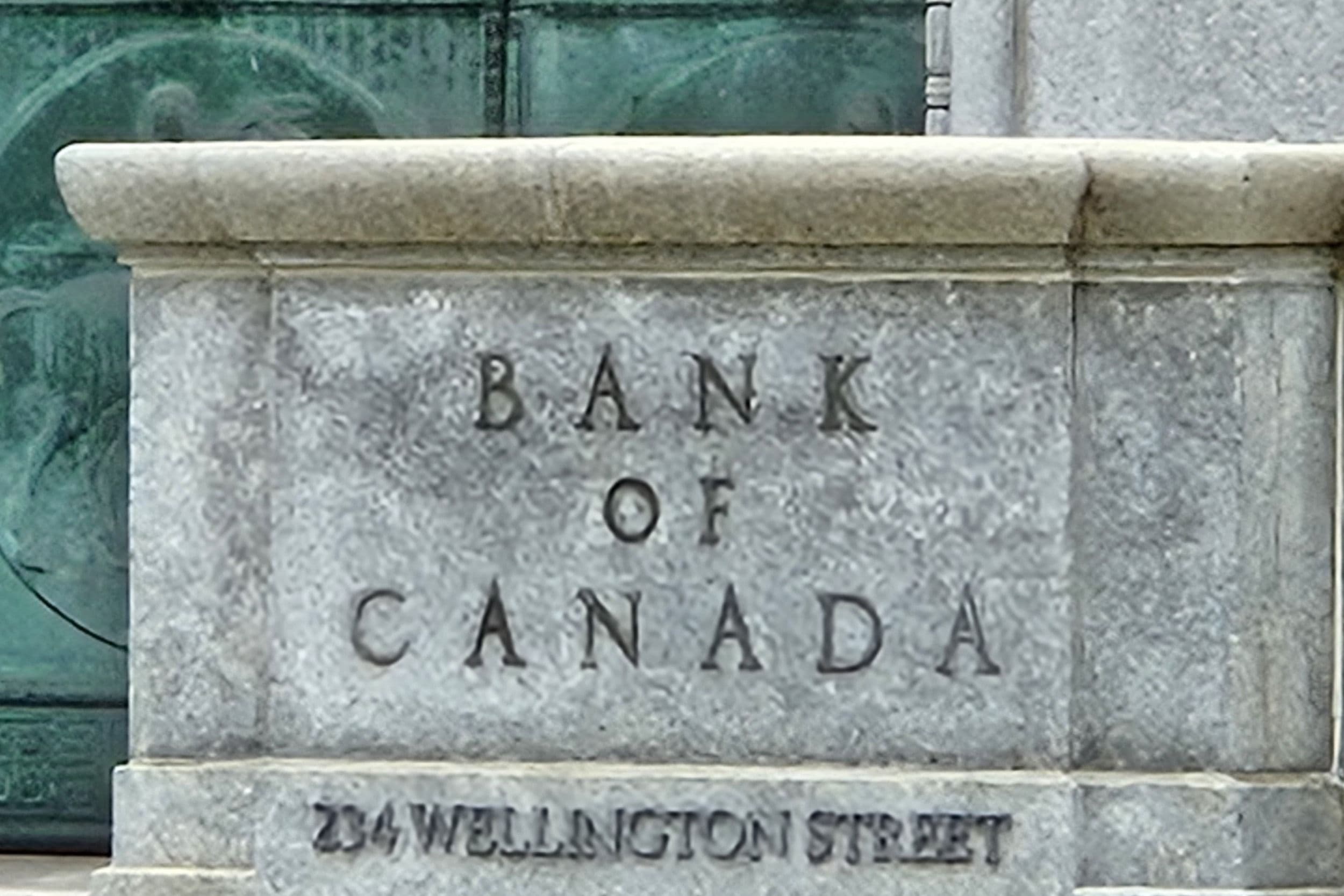
Canadian household and business inflation expectations softened but remained elevated in the central bank's latest quarterly survey because of U.S. tariff concerns, even with soft output and hiring also suggesting some downward pressure on prices that led officials to lower interest rates last month.
The majority of business leaders polled still see inflation above the Bank of Canada's 2% inflation target over the next two years according to a report published Monday in Ottawa. Consumer views of CPI are all above 3%, the top of the Bank's inflation target range.
While the share of firms saying inflation would run faster than 3% declined to 18% from 23% in the last survey, those seeing it between 2% and 3% was unchanged at 51% of respondents. Just 21% of those surveyed see inflation running below 2% over the next two years. Those elevated price views come even as "many said that weak demand is limiting their ability to pass these (tariff) cost increases through to their selling prices" and a third of them predicting a recession. Overall business conditions were little changed from the last report with trade concerns still dominant, and longer-term inflation is seen running about 2.5%.
"Consumers continue to think tariffs will generate inflationary pressures," the survey found including 70% who say the biggest price increases are yet to come. Current inflation expectations slipped a tenth of a percentage point to 3.72% and views on the pace of price gains a year from now was little changed at about 4%.
The surveys are somewhat backward looking with much of the data gathered from July through September, though it also reflects recent meetings of top policymakers with stakeholders. Deputies have said they are looking at more real-time data during fast-moving U.S. trade demands, and Governor Tiff Macklem reiterated Friday he will be cautious about setting interest rates in coming meetings. The policy rate has declined to 2.5% from 5%, perhaps one reason some consumers are reporting improved sentiment, mostly older and wealthier households.
Two-thirds of households predict Canada is heading for recession, more pessimistic than economists surveyed by MNI who see a rebound from the second-quarter contraction in GDP. Unemployment has climbed to the highest in about a decade excluding the pandemic, and the surveys also showed trade tensions holding back investment and hiring plans.


