MNI: Split BOE MPC Cuts 25bs After Second Vote
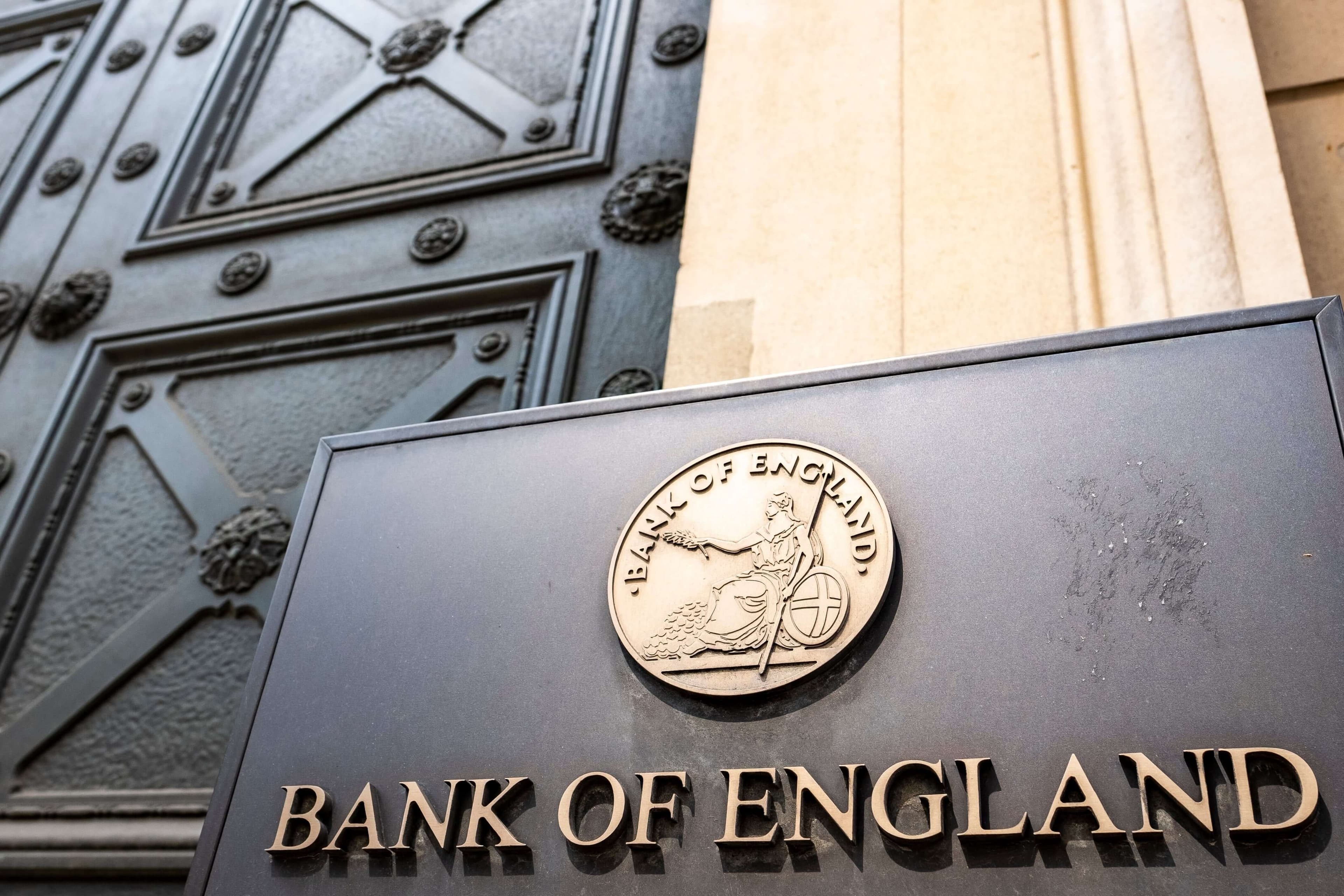
The Bank of England Monetary Policy Committee delivered the widely anticipated 25 basis point cut at its August meeting, but on the narrowest of margins with four members voting for unchanged policy and external member Alan Taylor switching from backing a 50 bps cut to a 25 one in an unprecedented second vote.
The MPC stuck to its guidance line for careful and gradual easing but changed the wording around it and with only a minority backing a 25 bps cut on the first vote the message was clear that the 'gradual' approach does not easily translate into a a strategy of 25 bps easing a quarter.
Deputy Governor Clare Lombardelli, Chief Economist Huw Pill and externals Megan Greene and Catherine Mann all voted to keep the policy rate on hold. Governor Andrew Bailey initially asked the MPC to vote on cutting Bank Rate by 25 bps to 4.0% and only a minority, four members, backed the 25bps cut. Bailey then held a second voted offering a choice between 4.25% and 4.0% and five opted for 4.0%, with Taylor amending his call for a 50 bps cut.
AMENDED GUIDANCE, FRAGMENTED VIEWS
While the MPC stated that "a gradual and careful approach to the further withdrawal of monetary policy restraint remained appropriate" it added to it by noting that the degree of restrictiveness was less and that future cuts would depend on the extent to which disinflationary pressures continue to ease.
The MPC said that policy was not on a pre-set path and the wide range of views among members highlighted this.
The four members who initially backed a 25bps cut saw sufficient disinflationary progress to just easing but some saw a risk that this progress could slow. While economic activity remained weak higher food prices could fuel push up inflation expectations.
Taylor saw clear downside risks from weak activity, the risk of recession and easing wage growth.
ELEVATED EXPECTATIONS
The four who backed unchanged policy cited elevated inflation expectations and slowing disinflationary process.
The Monetary Policy Report, with its quarterly economic projections, analysed the degree of policy restrictiveness on a number of measures and concluded past policy changes were still weighing on demand but that the degree of restictiveness had eased.
The overall view was that the labour market was continuing to loosen gradually but some MPC members thought that not enough slack may have emerged to weigh on inflation.
On the market rate path, inflation on the CPI measure was shown above the 2.0% target, at 2.7%, in a year's time but back dead on target at 2.0% two and three years ahead.
SCENARIOS
The MPC's alternative scenarios were background information in the August report, with the upside scenario for more persistent inflation seen as highly relevant while the downside one, which incorporated high trade uncertainty, effectively shelved. The MPC appears to be making only halting progress on implementing the Bernanke reforms, which envisaged a central role for scenarios.
The Bank also re-assessed the impact of quantitative tightening on the gilt yields and while it noted that the evidence so far was the impact was tight it noted it could have a larger impact than before in "an environment with lower demand for long-term assets."
The MPC is set to decide on the target for reducing the stock of government bonds at its September, with a reduction in the proportion of long-dated gilt sales looking very likely, although no guidance was offered this month.


