MNI: Fed Could Resume Cuts This Year If Tariffs Fall - Waller
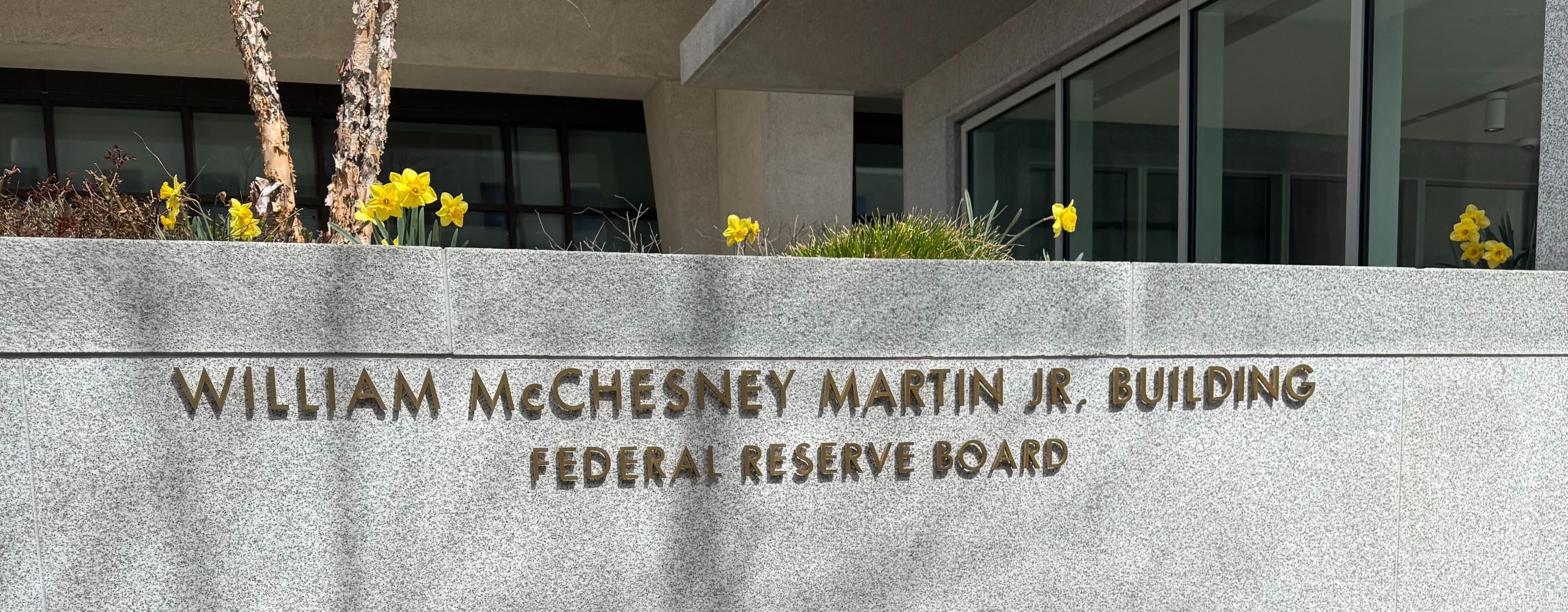
Federal Reserve Governor Chris Waller said Sunday the U.S. central bank could resume its trajectory of normalizing interest rates later this year if tariffs overall settle closer to 10% with higher country and sector specific taxes negotiated down over time.
He argued tariffs would lead to a one-time boost to prices that would raise inflation temporarily as long as longer term inflation expectations remain anchored, as they currently appear.
"Given my belief that any tariff-induced inflation will not be persistent and that inflation expectations are anchored, I support looking through any tariff effects on near term-inflation when setting the policy rate," he said in remarks prepared for a Bank of Korea conference in Seoul.
"Assuming that the effective tariff rate settles close to my lower tariff scenario, that underlying inflation continues to make progress to our 2% goal, and that the labor market remains solid, I would be supporting 'good news' rate cuts later this year."
TWO SCENARIOS
Waller said he sees downside risks to economic activity and employment and upside risks to inflation in the second half of 2025, and trade policy is the primary driver of how these risks evolve.
As things stand, the estimated trade weighted tariff is around 15% on U.S. goods imports, which falls in between Waller's two tariff scenarios.
The larger tariff scenario assumes an average trade weighted tax rate of 25%, close to the situation as of April 9, after President Trump announced a 90-day pause on so-called reciprocal tariffs. Waller said inflation could peak between 4% and 5% and the unemployment at 5% next year under that scenario.
The smaller tariffs scenario could see inflation rising to 3% and the unemployment rising but not quite to 5%, he said. In either case, tariffs will cause the higher jobless rate to linger even as the bump in inflation is temporary, Waller said.
"I see the risks of my large tariff scenario having gone down, but there is still considerable uncertainty about the ultimate levels, and thus about the impact on the economic outlook," he said. (See: MNI POLICY: Fed Cut Impetus Fades Alongside Recession Fears)
NOT PERSISTENT
Waller said he was not convinced higher tariffs could cause persistent inflation, because there is no shortage of labor and no indication so far that tariffs are causing big disruptions in supply chains.
The Fed's policy rate is some 400 bps higher than it was during the pandemic, thus "I do not believe one can use 2021 and 2022 as a basis for predicting what will happen to the persistence of inflation arising from tariffs," Waller said.
And while the University of Michigan's surveys of consumers show a striking jump in inflation expectations, market-based measures of inflation compensation and professional forecasters’ expectations have stayed closer to 2%, Waller said.
"Based on wage demands, spending patterns, and loan demand, I see no evidence of economic activity that conforms to the inflation views reflected in the University of Michigan household measures," he said.


