MNI: BOE MPC Voted 5-4 For 25bp Cut; Bailey Backed Easing
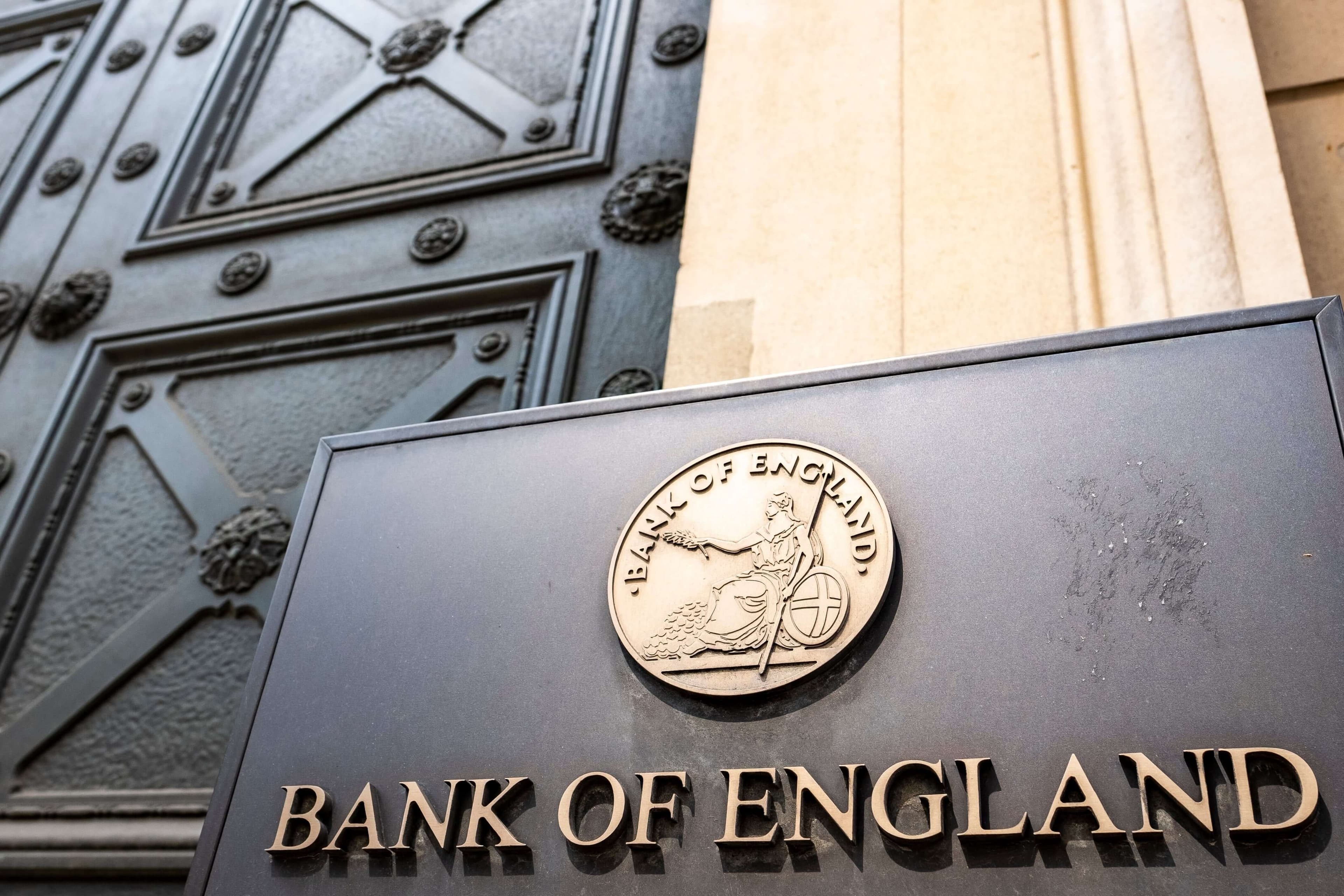
The Bank of England Monetary Policy Committee voted by the narrowest five-to-four margin to cut Bank Rate by 25 basis points at its December meeting.
Governor Andrew Bailey's switch to the pro-cut camp proved decisive, swinging the vote from 5-4 against easing in November. Bailey made clear that he saw scope for further easing ahead but he is chairing a divided committee.
"We still think rates are on a gradual path downward. But with every cut we make, how much further we go becomes a closer call," Bailey said in a comment to journalists.
That reference to future rate decisions becoming a closer call was added to the guidance in the December Monetary Policy Summary.
BAILEY VIEW
In Bailey's summary of his views in the minutes he said upside inflation risks had eased and he highlighted signs of softness in the labour market, noting unemployment, underemployment and flows out of work had all risen. He said policymakers should be vigilant over the risk of a sharper downturn.
He noted that strong forward looking indicators of wage growth, seen in the BOE agents and Decision Maker Panel finding's, were hard to reconcile with downward momentum in inflation and earnings.
Of the other MPC members Deputy Governor Dave Ramsden, who supported the cut, said that the risks around inflation returning to target late next year were broadly balanced as while disinflation appeared on track the elevated predicted wage growth and signs of structural weakness in the labour market gave him "pause for thought."
On the other side of the vote, Deputy Governor Clare Lombardelli said that she was still more concerned about upside inflation risks, saying that growth and inflation data had only softened at the margins.
Megan Greene, Catherine Mann and Huw Pill also all, as expected, opposed a cut with Pill saying the risks of inflation stabilising at above-target levels due to structural changes in price and wage-setting were greater than it undershooting, although Mann stressed her vote was 'finely balanced'.


