MNI BOC WATCH: Rate Hold And Focus On Growing Political Risk
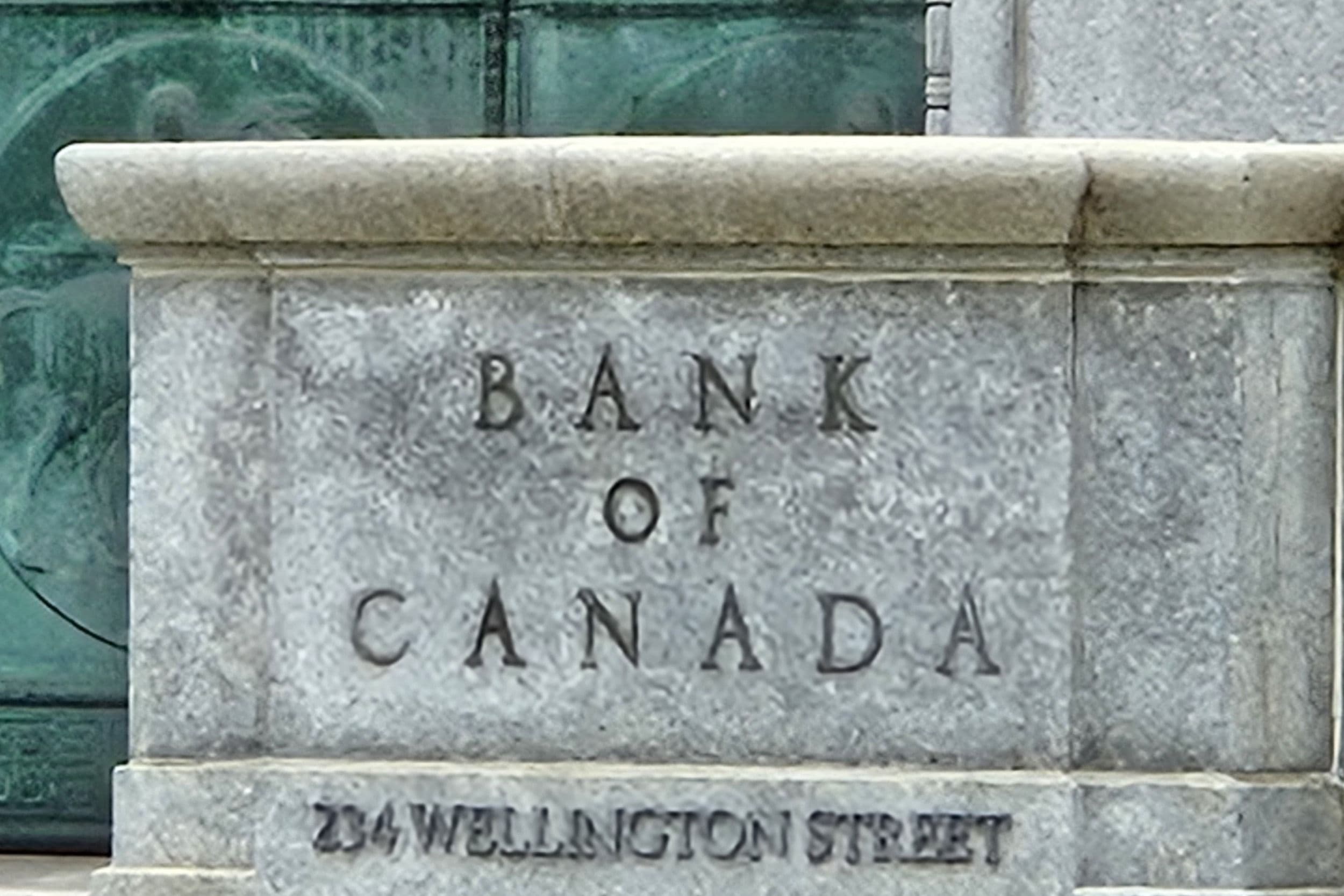
Canada’s central bank kept its key interest rate 2.25% Wednesday and loaded the statement with references to risk from volatile U.S. policies and coming trade negotiations, while affirming borrowing costs can stay on hold in the baseline projection for modest growth and inflation.
"Geopolitical risks are elevated and the upcoming review of the Canada-United States-Mexico Agreement is an important risk to the outlook," Governor Tiff Macklem said in a press conference opening statement. "While Council judges the current policy rate is appropriate based on our outlook, the consensus was that elevated uncertainty makes it difficult to predict the timing or direction of the next change in the policy rate."
The Bank's rate decision and Macklem's statement contain two dozen references to volatile U.S. actions and much less commentary about upside inflation risks. Almost a year after U.S. tariffs started moving into place officials said it's too early to figure out how the economy will adjust. Officials reiterated they are prepared to respond if the baseline situation changes.
Canada's growth outlook is little changed from the Bank's October view, coming in at about 1.25% over the next few years while inflation holds around 2%. The Bank's preferred core inflation measures have slowed to 2.5% in December from about 3% in October, officials noted.
The decision to hold rates was expected by all 19 economists surveyed by MNI and a majority had expected no change for the rest of this year. Smaller groups were split between the need for a cut early this year to address damage from the trade dispute, or a hike late in 2026 as Canada gathered momentum.
The economy has avoided the recession many economists predicted, though the Bank cut its fourth quarter GDP forecast a stall citing a tumble of inventories after a buildup ahead of U.S. tariffs. Growth is seen picking up again this quarter with an expansion of 1.8% at annualized rate.
The Bank estimated Wednesday that U.S. tariffs and protectionism have reduced Canada's exports by 4% as of the third quarter, and excluding a surge in gold shipments things are even worse. Total GDP by the end of this year is expected to be 1.5 percentage points less than officials projected before the trade dispute.
Before President Donald Trump set tariffs on most global trade partners, Canada shipped three-quarters of its exports south of the border almost duty free. Last week Trump threatened a 100% tariff if Canada sought a free trade pact with China, something Prime Minister Mark Carney has said isn't happening.
Selected industries have suffered amid high tariffs on autos, steel and aluminum. Prices for Canada's main export of crude oil have also slipped since the U.S. seizure of Venezuelan oil production that's similar to Alberta's heavy crude. The U.S. has also cast a shadow over Canada's wider security with threats of taking Greenland and Trump's ambivalence about Canadian trade and military cooperation.
The Bank cut four times last year to what it calls the bottom of its neutral range, even when core indexes hovered near 3%. Growth is being supported by Carney's deficit spending including a plan to lift military expenditures to a NATO goal of 5% of GDP. Slowing population growth in Canada will also drag on growth this year.


