MNI: FSB Seeks More Oversight Of Hedge Funds, Private Credit
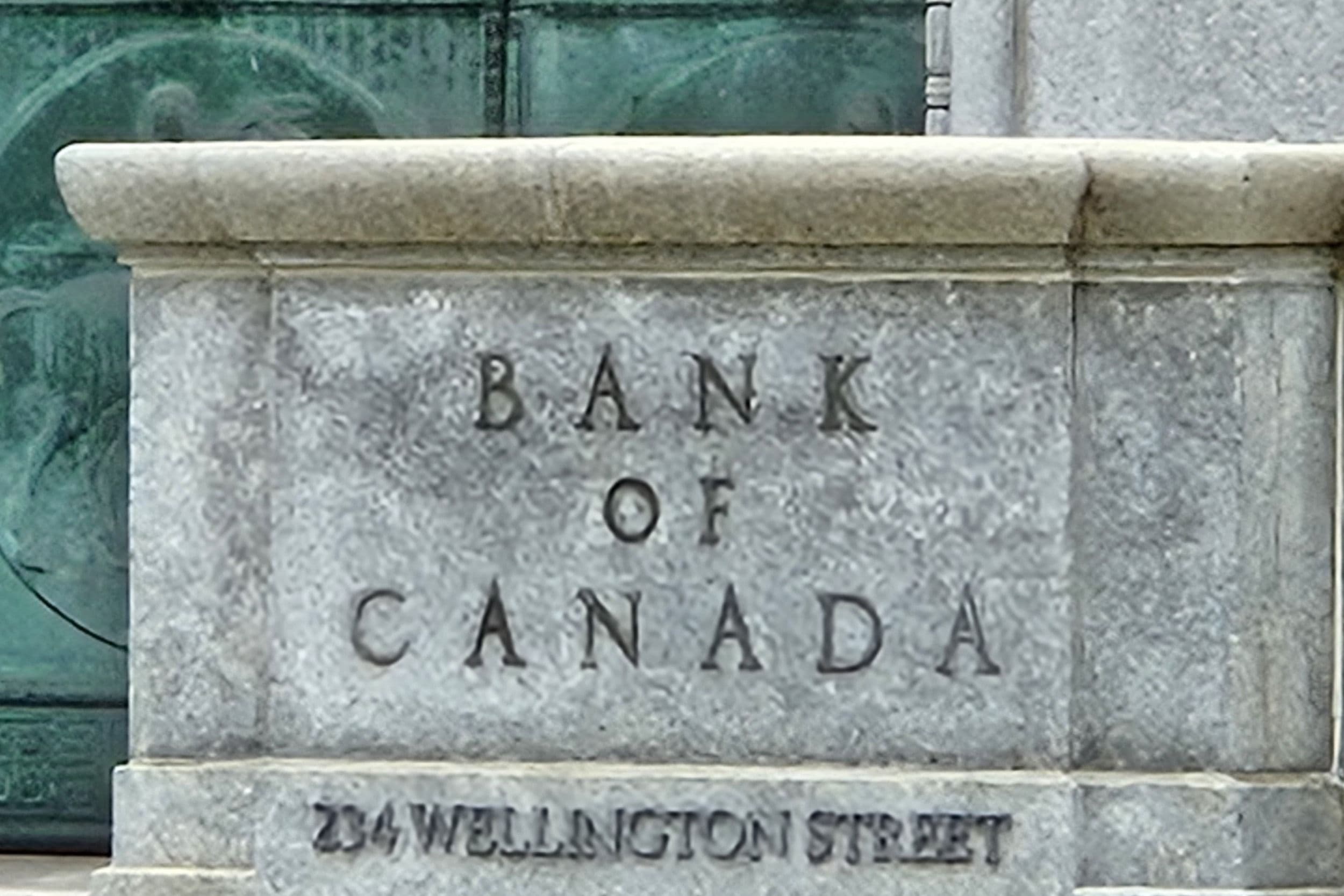
Hedge funds' growing participation in government bond markets needs more oversight to help regulators assess danger of further squeezes such recent ones in the US and UK, FSB committee chair Tiff Macklem said Wednesday.
That logic also applies to scrutiny of non-bank lending to firms by institutional investors, because more activity has also shifted to opaque private credit since the 2008 crash, Macklem said during a speech in Toronto.
"Risks have not disappeared -- they’ve migrated. And our global surveillance and regulatory frameworks haven’t kept pace with the change," said Macklem. He is also the current Bank of Canada Governor and earlier in his career helped shape the G7 response to the banking and housing crash.
Hedge funds and non-bank lenders provide benefits such as improved pricing and extending the reach of credit markets, Macklem said. The danger is what could happen in a sudden selloff in those markets, some of which Macklem argued have never been through a major downturn at the scale they've grown to. Another problem is that the risks span global borders and may also trigger poorly understood spillovers to other markets, he said.
"We’ve seen examples of this already: the dash for cash at the start of the pandemic, during the UK gilt crisis in 2022, and during the period of stress in the US Treasury market last spring," Macklem said. "The basis trade and other relative value trades are generally low risk for investors. But the scale of these trades and speed at which they can unwind pose a systemic risk."
IRAN WAR BOOSTS VOLATILITY
"My goal is not to alarm, but to shed light on the systemic nature of these risks, to highlight the need to close data gaps and to deepen understanding. The aim is not to impede the private sector but to help it do what it does best -- seek return while managing risk," he said.
Risks are already elevated with the war in Iran and global trade disputes, he said. Macklem still stuck with the BOC's earlier view the global economy will grow about 3% this year and he didn't provide an update on the outlook for his 2.25% policy rate. He did say "risks to growth are greater than normal -- and they’re tilted to the downside."
"As we speak, the actions taken against Iran by Israel and the United States have increased volatility in energy and financial markets and there is considerable uncertainty about the duration and fallout of this conflict," he said.
Global risks also include the build-up of government debt in recent years, and the potential limit to continued large gains from AI, Macklem said. "If the impact of AI is less profound or more disruptive than expected, growth could slow. Fiscal flexibility is limited by high levels of sovereign debt, and term premia on government bonds have increased," he said.
MOVING TO CENTRAL CLEARING
Hedge funds have been buying up to half of Canadian government bonds at auction, mirroring a global trend, Macklem said.
"Surveillance needs to be enhanced so we can monitor how risks evolve as this market grows," Macklem said.
"There is also a need to strengthen infrastructure so that repo markets continue to function in periods of market stress -- and shocks are absorbed rather than amplified. Central clearing has the potential both to make access to repo funding more stable and to improve efficiency by increasing opportunities for netting," he said.
Macklem announced Wednesday the BOC intends to join domestic central clearing operations for repos, noting the US and Europe are also making progress in this area.


