MNI: BOC Signals Rate Path Rests On 30-Day Trade Deal Window
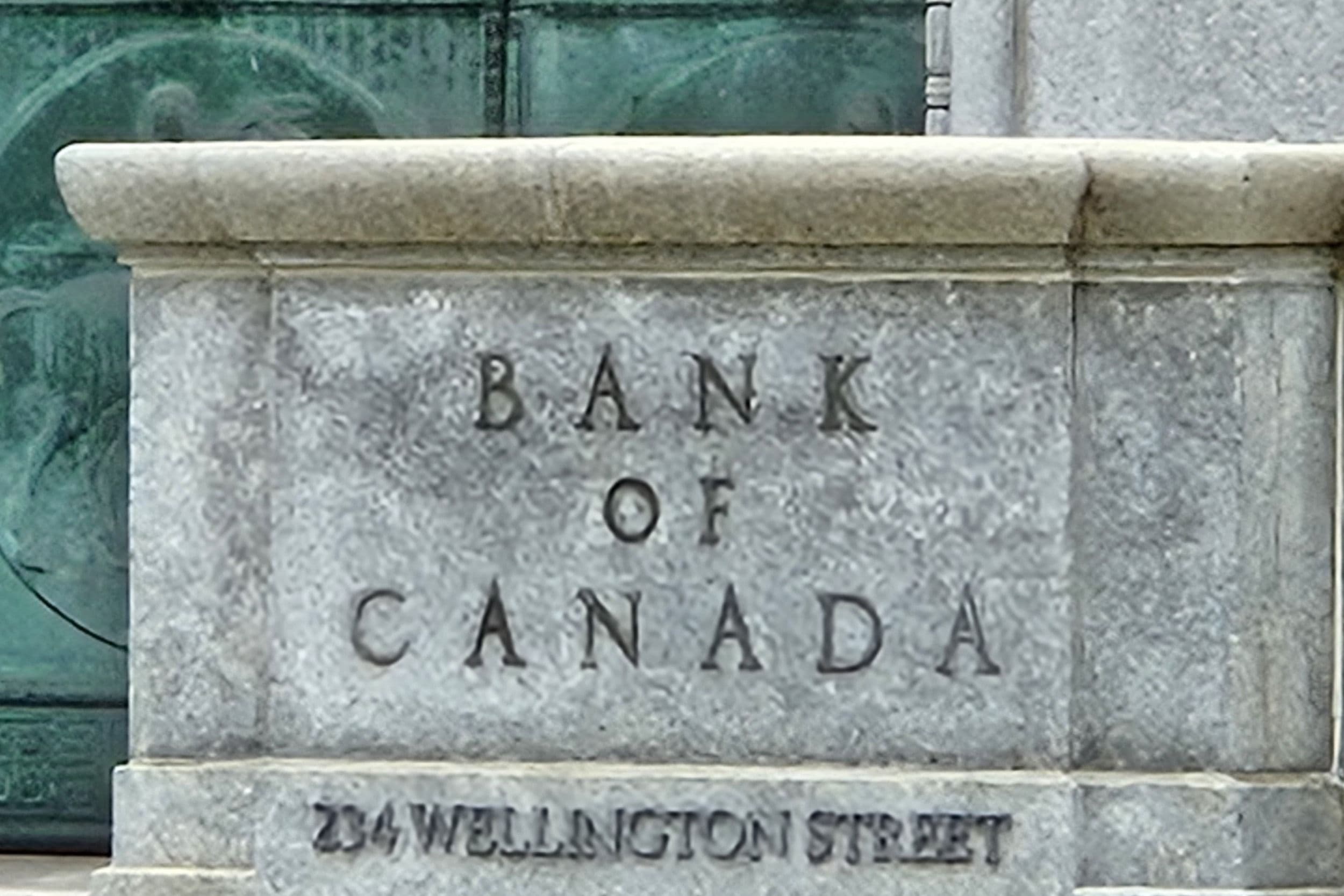
Bank of Canada Governor Tiff Macklem said Wednesday the announcement of a 30-day deadline for a U.S. trade deal has a big influence on the interest-rate path because ending tariffs would diminish conflicting pressures around layoffs and price increases, while affirming his stance borrowing costs can decline if the economy weakens further.
"The prospect of a new Canada-US trade deal offers hope that tariffs will be removed. But until we have a deal, inflation will be affected by both US tariffs and Canadian counter-tariffs," Macklem said in a speech he's giving in St. John's, Newfoundland.
"We are proceeding carefully with monetary policy. We want to see through the noise to set policy that supports the economy while ensuring inflation remains low and stable," he said.
The tariff situation could be cleared up before the Bank's next decision July 30 after Donald Trump and Mark Carney agreed at this week's G7 summit in Alberta to accelerate trade talks. A majority of economists surveyed by MNI predict a quarter-point BOC cut as the economy heads into a mild recession this quarter creating enough slack to keep inflation near the 2% target.
Unemployment has also climbed to the highest since 2016 at 7%, though that's in part because an earlier wave of record immigration boosted the labor supply before the government curbed foreign workers. Earlier Wednesday Canada reported population growth stalled in Q1, matching the lowest pace since 1946.
There are early signs that firms are jacking up prices in response to the trade war and officials are also monitoring if layoffs in sectors hit by tariffs such as automobiles are spreading to the broader economy, Macklem said. The tariff dispute in Trump's first term saw three-quarters of tariffs passed into consumer prices he said, adding, "As I have said before, we can’t let a tariff problem become an inflation problem."
"These economic impacts underline the importance of a new trade deal with the United States," Macklem said.
Core inflation has been elevated lately and part of that may stem from companies reacting to tariffs, the Governor said. Core prices are rising faster than 3%, the top of the Bank's inflation target band. Macklem reiterated he's prepared to cut rates again after pausing for a second meeting June 4 following seven previous reductions.
"My colleagues on Governing Council and I agreed there could be a need for a further reduction in the policy interest rate if the effects of US tariffs and uncertainty continued to spread through the economy and cost pressures on inflation were contained," he said.


