MNI BOC WATCH: Hold And Potential For Cut Or Consecutive Hikes
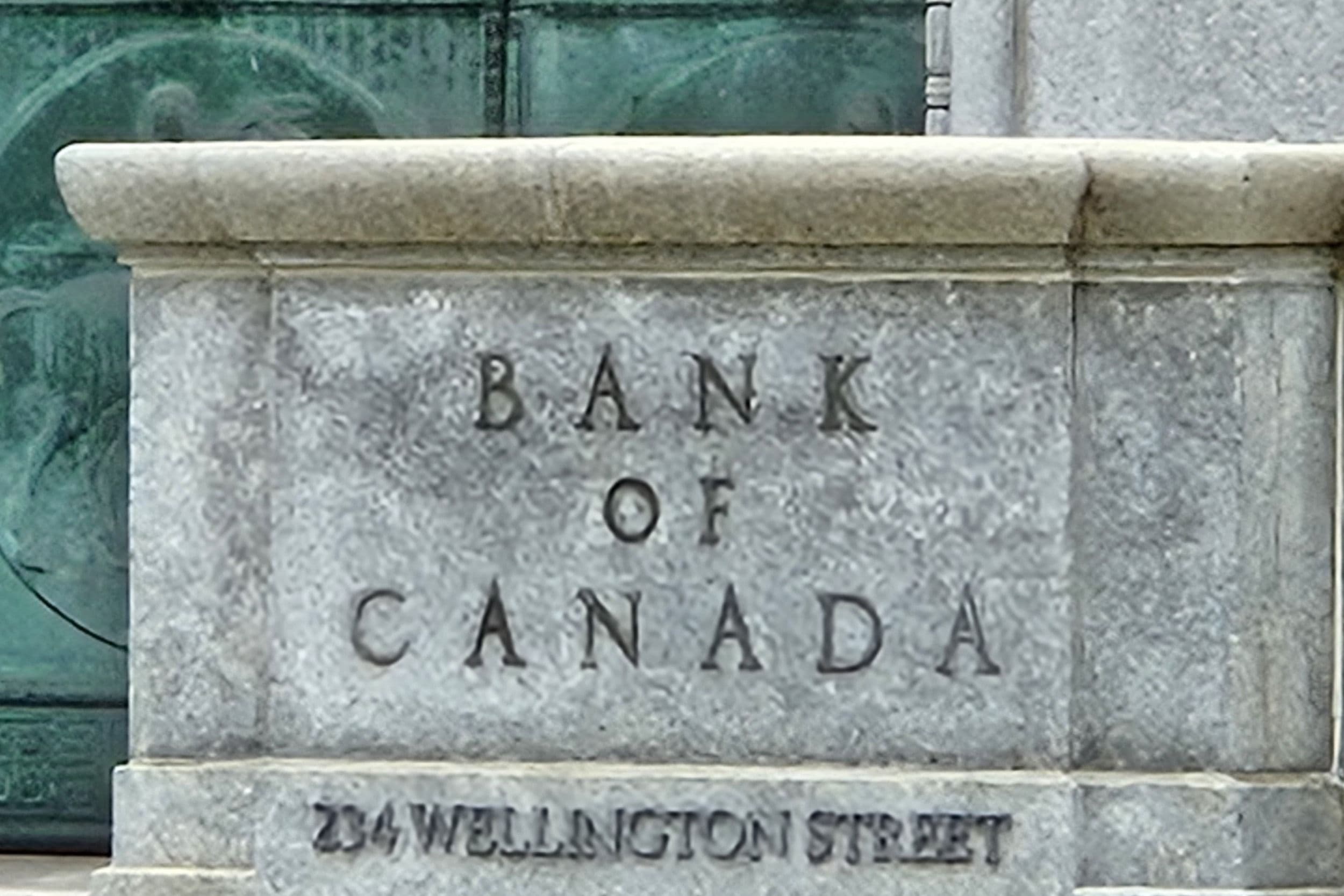
The Bank of Canada held its 2.25% policy rate Wednesday and reiterated potential for a cut or consecutive hikes depending on where the Middle East conflict and U.S. tariffs take inflation, while dropping a phrase about holding.
"If the United States imposes significant new trade restrictions on Canada, we may need to cut the policy rate further to support economic growth," Governor Tiff Macklem said in a press conference opening statement. "If the conflict in the Middle East continues and higher energy prices start leading to ongoing generalized inflation, monetary policy will have more work to do -- there may be a need for consecutive increases in the policy rate." His remarks dropped the April 29 view the policy rate was about right if assumptions for fading oil prices and little change in U.S. trade policy were realized.
Officials also said Wednesday the Iran conflict's global impacts of higher prices and slower growth have increased, and trade uncertainty remains elevated as the U.S. keeps proposing new tariffs. The Bank said with little evidence so far that higher energy prices are feeding into broad or persistent inflation officials can continue looking through those gains but policy may need to be "nimble" if competing risks shift.
"Economic weakness combined with rising inflation is a dilemma for monetary policy," Macklem said. "For now, holding the policy rate unchanged balances those risks."
Inflation is likely to stay around 3% in the near term and slowly recede to the 2% target, the Bank's decision said, even with crude oil prices ten dollars a barrel higher than its April assumption. Headline prices advanced to 2.8% as expected in April while core indexes are around 2%, the Bank said.
Canada's GDP "edged down" at a 0.1% annualized pace in the first quarter, the Bank said, missing its 1.5% projection, but there are signs of a second quarter rebound. Employment has been little changed so far this year and even with a second-quarter growth rebound slack will remain in the economy, though the Bank didn't say this time that such weakness provides an inflation buffer.
Domestic financial conditions have loosened since the last decision and Canada's dollar has weakened, the Bank said. Those factors suggest the country faces other inflation pressure by making imports more expensive and as lower market rates support consumer and business borrowing.
"We will be watching closely for evidence of a broadening in price pressures," Macklem said. "Governing Council agreed to look through the war’s near-term impact on inflation but if energy prices stay high, we will not let their effects become broad-based persistent inflation."
The hold decision was expected by all 25 economists surveyed by MNI Ottawa, and most predict no change for the rest of the year. Investors before the decision called for at least one hike in 2026. The Bank cut four times last year to what it calls the low end of neutral and hasn't hiked since mid-2023.
The Bank has a mandate to keep inflation in the middle of a 1% to 3% target band, and to seek higher employment when that goal is met.


