MNI BOC WATCH: Rate Hold, Won't Let Energy Inflation Stick
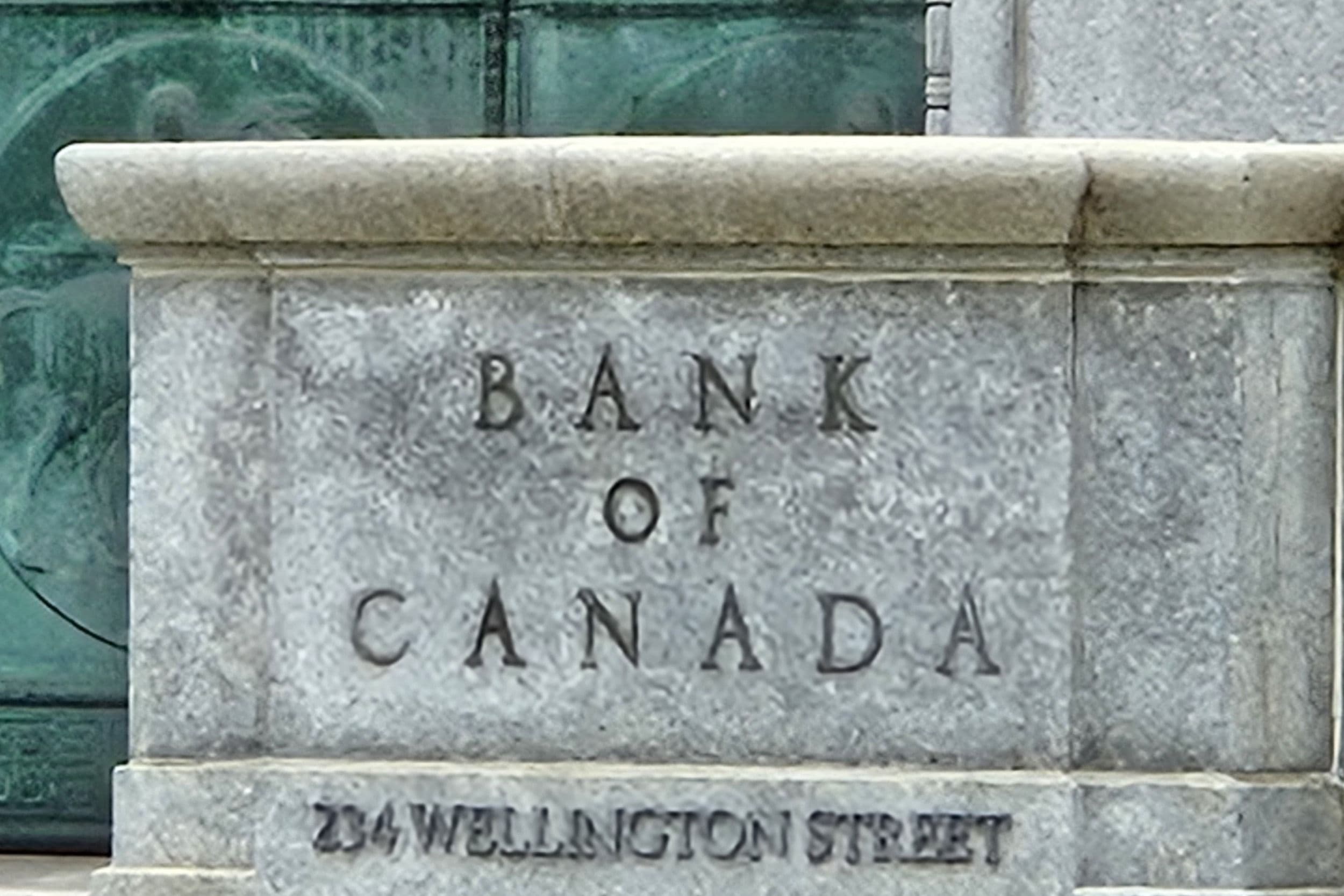
The Bank of Canada left its key interest rate at 2.25% Wednesday while replacing guidance about a hold with a hawkish comment about making sure higher energy prices triggered by the Iran war don't become stubborn inflation and noting the range of outcomes is wider because of risks of both slower growth and higher prices.
Governor Tiff Macklem said the recent jump in oil prices will create a near-term boost to inflation, a risk that will grow the longer the war goes on. "Governing Council will look through the war’s immediate impact on inflation but if energy prices stay high, we will not let their effects broaden and become persistent inflation" he said in a press conference opening statement.
"As the outlook evolves, we stand ready to respond as needed," Macklem said. "Trade and geopolitical uncertainties remain, and the conflict in the Middle East has broadened the range of possible outcomes."
Disruption to global oil supplies adds an upside inflation risk contrasting with the drag Canada faces from the biggest trade dispute with the U.S. since the 1930s, and officials say recent data suggests downside growth risks have escalated since their January forecast. While exports and incomes can see a boost from a sustained rise in oil and gas prices, Governing Council said their job is guarding price stability as the economy adjusts to global shocks.
"Economic weakness combined with rising inflation is a dilemma for central banks. Raising interest rates to slow inflation could further weaken the economy. Easing interest rates to support growth risks pushing inflation well above target," Macklem said. Before the war core inflation had been slowing towards 2% and headline inflation was also close to target. Consumer prices advanced 1.8% in February from a year earlier.
"With inflation close to target and the economy in excess supply, the risk that higher energy prices quickly spread to the prices of other goods and services looks contained. But the longer this conflict lasts and the wider it gets, the bigger the risks," Macklem said.
The decision to hold rates was expected by all 20 economists in an MNI survey, but there was a split on the need for a hike or a cut later this year, while a recent rise in bond yields suggested investors saw an upward move. The Bank cut rates four times last year to what they called the bottom of the neutral range.
The Bank’s base case before the Middle East conflict was for growth of about 1% this year and inflation holding around its 2% target, and the dominant risk was U.S. trade talks and tariffs. Gasoline prices in Ottawa have jumped to more than CAD1.60 a liter in recent days from CAD1.20 before the conflict.


