MNI BOC WATCH: Poised For Consecutive Oil Hikes Or Trade Cut
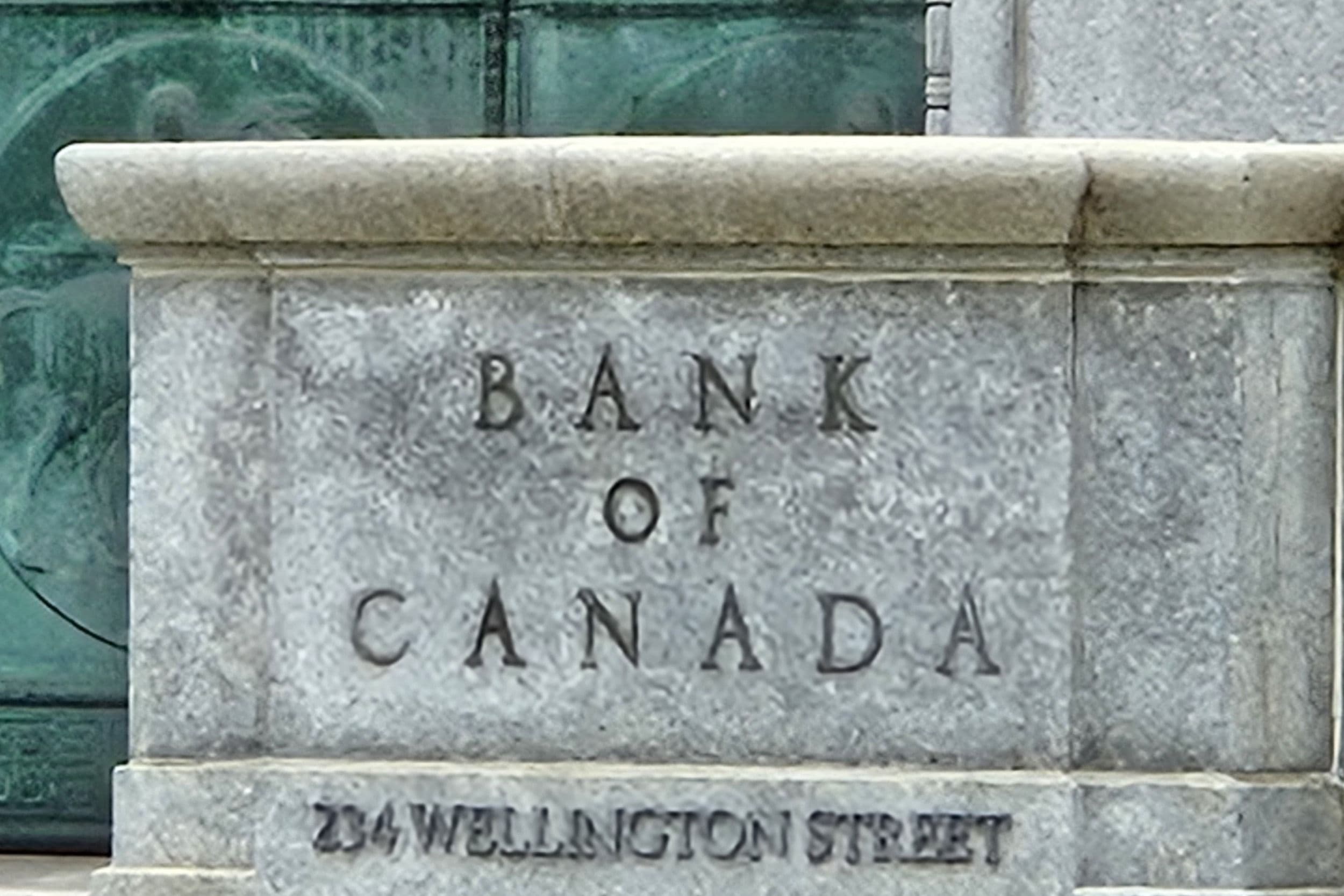
Bank of Canada Governor Tiff Macklem sees potential for consecutive rate hikes if oil prices remain elevated or a cut if the U.S. imposes major new trade restrictions, holding the key rate at the low end of neutral Wednesday and saying it's about right if a baseline forecast for fading crude prices is realized.
"Our baseline forecast assumes oil prices will come down and US tariffs will remain at the current levels. If this holds true, a policy rate close to current settings looks appropriate to support adjustment in the economy and return inflation to target," Macklem said.
"If the United States imposes significant new trade restrictions on Canada, we may need to cut the policy rate further to support economic growth," he said. "Alternatively, if oil prices continue to increase, and particularly if they remain elevated, the risk that higher energy prices become ongoing generalized inflation increases. If this starts to happen, monetary policy will have more work to do -- there may be a need for consecutive increases in the policy rate."
The nod to a larger scope for hikes aligns with investor bets the Bank will tighten this year as the Iran conflict limits global oil and gas supplies while economists see the 2.25% rate on hold as Mark Carney and Donald Trump enter more trade talks. Inflation will likely peak around 3% this month Macklem said, the top of his target band. If Brent oil fades to USD75 a barrel by the middle of next year then inflation returns to target early in 2027, the Bank projects.
NO PERSISTENT INFLATION
"Governing Council agreed to look through the war’s immediate impact on inflation but if energy prices stay high, we will not let their effects become persistent inflation," Macklem said, echoing language from the last decision. The Bank statement also said that as an oil exporter Canada's growth outlook is little changed by the Middle East conflict except for the composition.
The baseline projection for inflation to ebb is also based on stable prices before the conflict, with officials noting slowing core inflation and a lower share of the CPI basket running faster than 3% in recent months.
"If the economy evolves broadly in line with the base case, changes in the policy rate can be expected to be small," Macklem said. "There are many possible outcomes. Monetary policy may need to be nimble."
The Canadian dollar's role has shifted from past oil jumps the Bank's forecast paper said, rising less than past cycles as firms see diminished need for new investments and sending more money back to global shareholders. That means more pass-through of higher import prices including energy to domestic inflation and more of a boost to non-energy exporters.
SHIFTING EXPECTATIONS
The Bank hasn't hiked since mid-2023 and the hold Wednesday was expected by all 26 economists in an MNI survey. Officials cut four times last year to what they call the bottom of the neutral range.
Big bets on what officials will do in tricky moments have also been a set-up for disappointment. Minutes from past meetings suggested Governing Council members at times have been divided on the inflation path. The Bank's decisions also bucked market consensus five times in 2022 and 2023 coming out of the pandemic.
There are already indications longer-term inflation expectations the Bank has focused on may be at risk. Households see the Iran war lasting more than six months and boosting inflation according to a recent Bank survey. Polling by the CFIB business group showed firms see price increases of 3.2% over the next year.
"As the outlook evolves, we stand ready to respond as needed," Macklem said.


